Good Bugs, Better Blooms: Building a Strong Insect Management Plan with Beneficial Insects

Flower farming is full of beauty, but every grower knows that insects are always part of the story. Some are helpful, some are harmful, and many are simply doing what they do. Learning how to live with them, rather than constantly fighting against them, can transform the way we grow.

My recent conversation with Erik van der Sluys from Beneficial Insectary reminded me of something I have seen again and again. Managing insects well is not about reacting to every problem. It is about creating the kind of environment where beneficial insects can do what they are designed to do. When the farm is cared for with intention, the good bugs show up, settle in, and support the plants in ways we often miss unless we slow down and look more closely.


What Do We Mean by Biological Control (Biocontrol)?

Before we go any further, it helps to name what all of this falls under. When growers use good bugs to help manage the not-so-good bugs, we call that biocontrol. It is simply the practice of letting living, beneficial organisms help us handle pest pressure in a more natural way.

Biocontrol works best when it has a strong foundation to stand on. Healthy plants, clean growing spaces, and a few simple tools make it easier for these beneficial insects to settle in and do their job. Once those pieces are in place, the good bugs become an incredibly helpful part of keeping our flowers protected and thriving.

With that in mind, let’s look at the everyday habits that make biocontrol successful and create a healthier environment for our plants long before pests ever show up.

Creating Conditions Where Balance Can Happen

One theme that kept coming back to me after talking with Erik was how much of this work begins long before we see a single pest. The habits we build every day make a bigger difference than we realize.

Healthy plants are always the best place to start. The way we water, how we fertilize, how we space our rows, and how we rotate crops all shape the world our flowers grow in. When plants are strong and comfortable, they naturally attract fewer pests and invite more balance. They simply hold their own better.

On my own farm, I notice this most in mid season when everything starts to stretch and push for the sun. If the plants have been cared for well, you can feel the steadiness in the field. That steadiness becomes the foundation for everything else that follows, including the introduction of beneficial insects.

Keeping the Space Clean and Ready

Sanitation plays a much larger role than most of us want to admit. It is not glamorous work. It is the picking up of fallen leaves, the cleaning of tools, the quick removal of plants that are not doing well. But these small habits make a world of difference in keeping pest pressure low.

Erik talked about this in a way that made perfect sense. Beneficial insects need a fighting chance. When the environment is cluttered or stressed, pests get ahead too quickly. When things are clean and well managed, the good bugs can step in and hold the line. I have seen this firsthand. A tidy space invites health. A neglected space invites trouble.

Using Simple Tools To Guide The System

Mechanical practices are the small, physical tools that help keep balance. Sticky cards, screens on vents, a burst of water to knock aphids off tender growth, a little time spent hand removing leaves that are showing early signs of trouble. These simple actions do not replace beneficial insects, but they absolutely support them.

I often think of these tools as gentle nudges. They help guide the system back toward balance without causing harm. They also give you valuable information about what is moving through your fields and tunnels.

When Nature Needs a Little Boost

There are times when the natural population of beneficial insects just is not enough to keep up. This is where introducing extra beneficial insects can make a huge difference. They work alongside the ones already living on the farm and give your plants the support they need during more challenging moments.

What struck me most in talking with Erik is how these introductions are not meant to be quick fixes. They work best when the farm is already in good shape. When the plants are strong, the spaces are clean, and the environment is steady, beneficial insects settle in and start doing their work almost immediately. When the groundwork is there, everything responds more smoothly.

I think of it like welcoming extra help during a busy week. You have already set the space up for success. Now the support can actually make an impact.

The Power of Paying Attention

Of all the habits that matter, observation may be the most important. Every farm has its own rhythm. Temperatures shift, humidity rises, pests appear, beneficial insects follow. No two seasons look the same. When we learn to pay attention, we begin to understand what our plants and insects are telling us.

This is something I remind myself of often. The more time I spend walking the rows, the more I see. Little clues become clearer. Patterns make more sense. Problems feel less like surprises and more like invitations to adjust.

Observation is where good decisions begin. It helps you know when to make changes, when to introduce beneficial insects, and when to simply let the system do what it was designed to do.

Finding Harmony In The Field

Building a strong insect management plan is really about nurturing balance. It is about creating a space where plants can grow with confidence and where beneficial insects have what they need to thrive. When we focus on health rather than control, everything on the farm becomes more stable.

In my own experience, this approach leads to stronger plants, calmer seasons, and blooms that reflect the care put into the land. Beneficial insects become partners rather than tools. The farm becomes a living, breathing system that supports itself in ways we often overlook.

Good bugs and better blooms go hand in hand. When we honor the harmony of the field, the field honors us right back.


Meet the Beneficial Insects That Help Protect Your Flowers

One of the highlights of my conversation with Erik van der Sluys was seeing the beneficial insects that growers rely on every season. Here are a few of the most commonly used (from Beneficial Insectary) and some of the most effective natural predators you can introduce to support your crops.


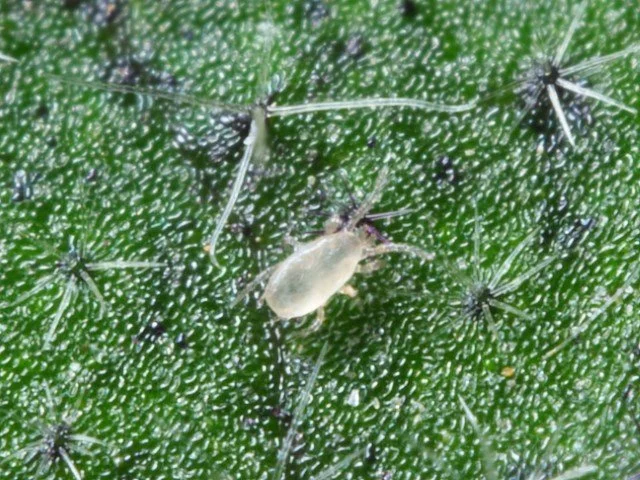
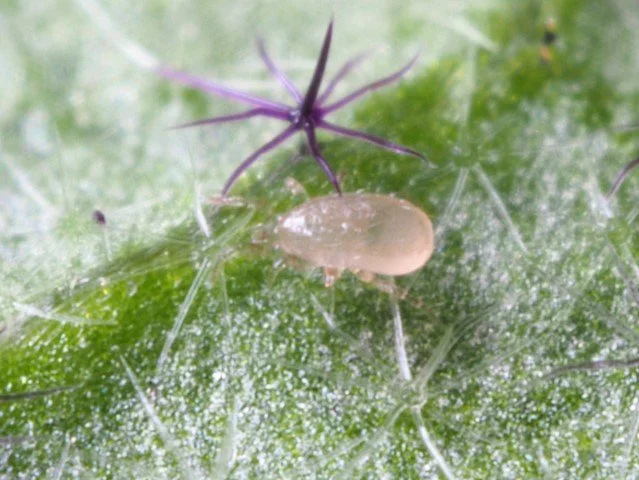
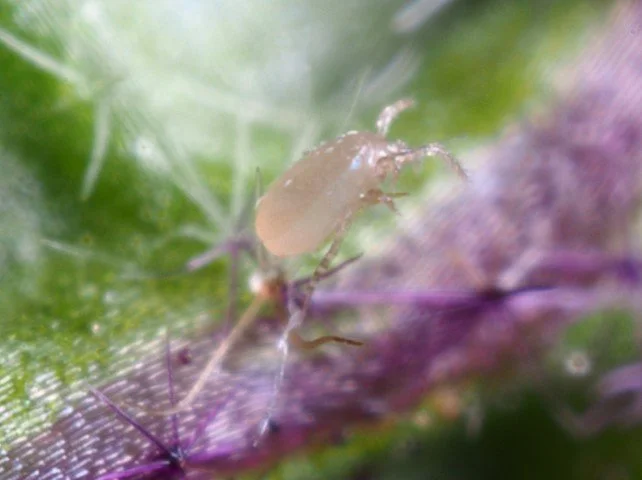
Amblyseius californicus

Amblyseius californicus is a hardworking predatory mite that helps keep several troublesome mite species in check. It is especially fond of two-spotted spider mites but will also feed on broad mites, cyclamen mites, and every stage of their development, including eggs, nymphs, and adults. One of the reasons A.californicus is such a useful partner is that it performs well even when pest numbers are still low, making it a great choice for preventive releases. Because it can live on pollen when prey is scarce, it stays active in the crop longer than many other predators. It also handles a wide range of climates, from warm and dry conditions to cooler stretches, which makes it a steady and reliable part of an integrated insect management plan.
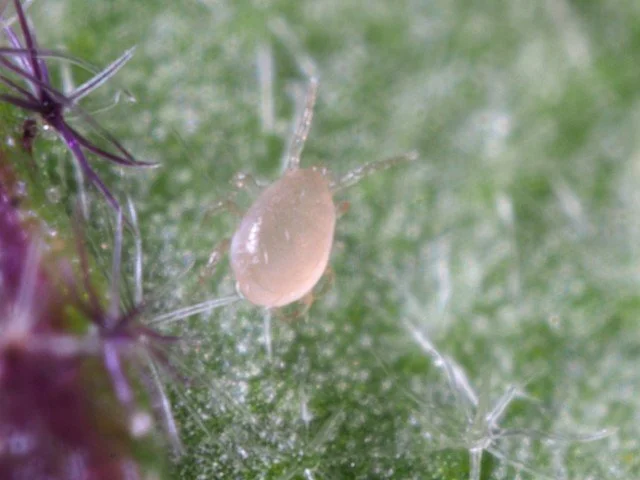
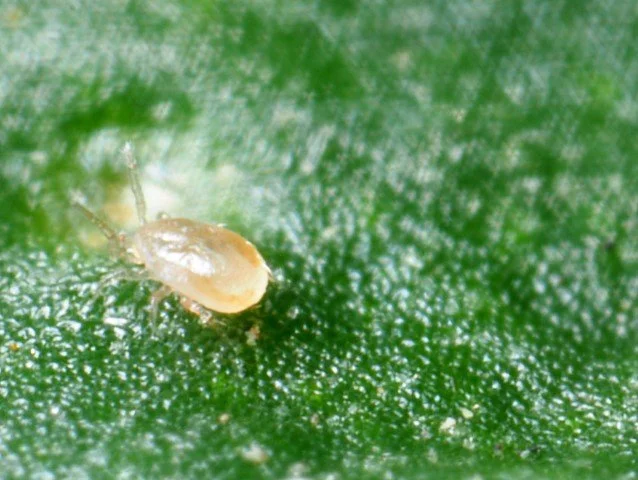
Amblyseius cucumeris

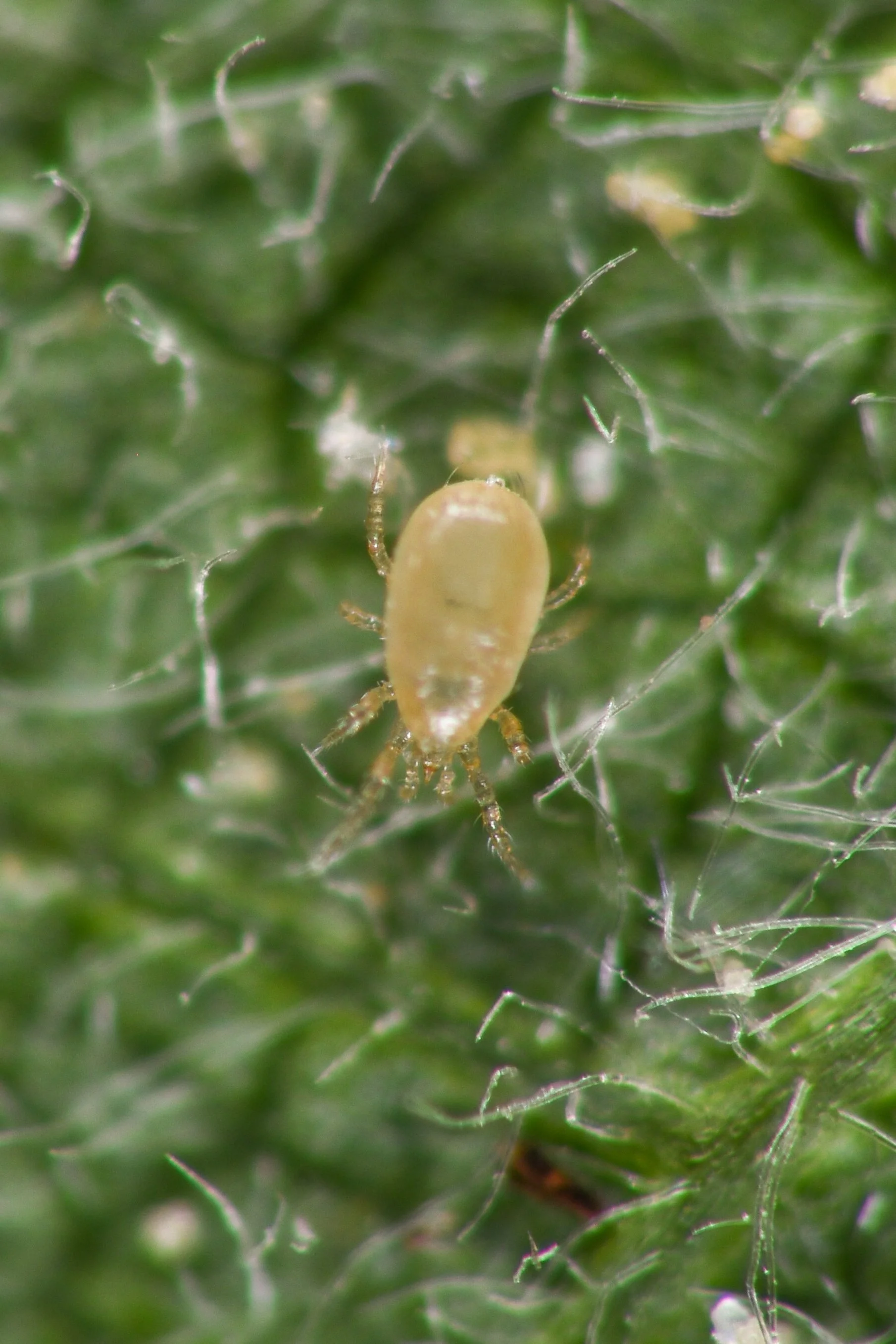
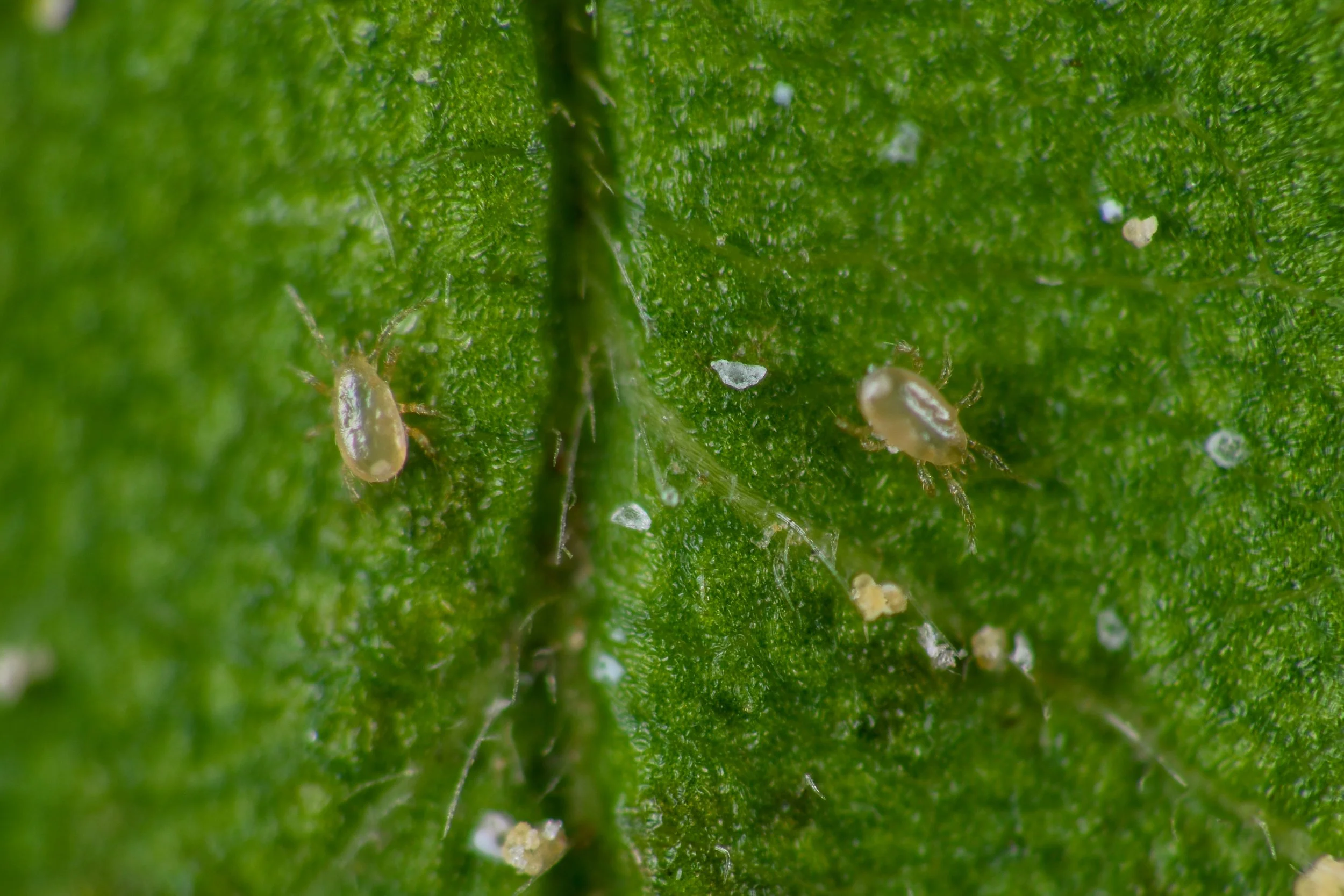
Amblyseius cucumeris are commonly used to keep thrips populations from getting out of hand and can also help with broad mites. These mites feed only on the early, larval stage of thrips, not the adults. Because of this, they work best when thrips are just beginning to appear. Releasing A.cucumeris early, before numbers climb, gives them the best chance to keep the problem under control.
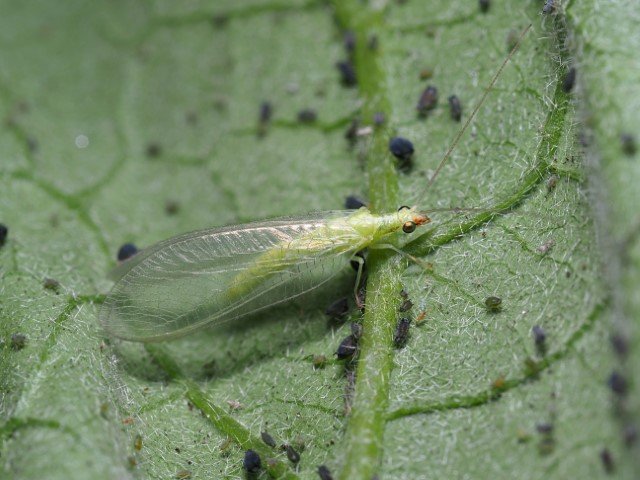
Chrysoperla rufilabris

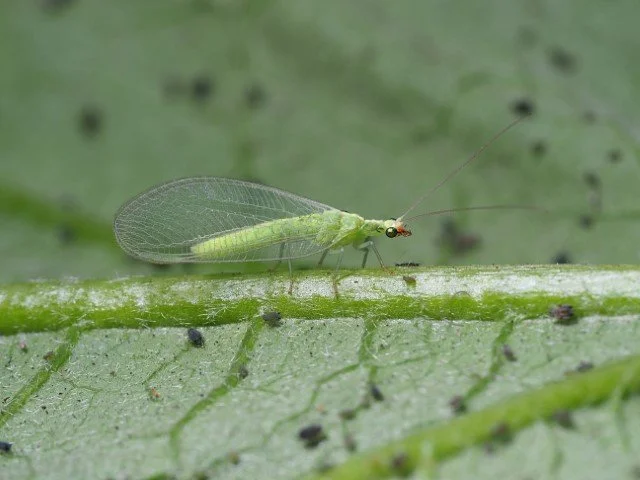
Chrysoperla rufilabris, better known as the green lacewing, begins life in a stage that is surprisingly fierce for such a delicate-looking insect. The larvae are the real workers here, actively searching for soft-bodied pests to feed on. Aphids are one of their favorite meals, but they will also take advantage of mealybugs, young whiteflies, some types of scale, and even a few pest mites when they find them. Adults do not hunt, so it is the larval stage that brings the most benefit to growers. These tiny predators move through the crop with purpose and can make a noticeable difference when pest pressure starts to rise.
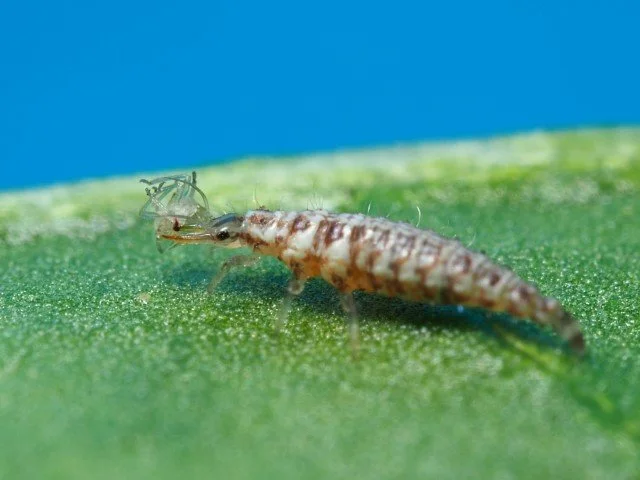
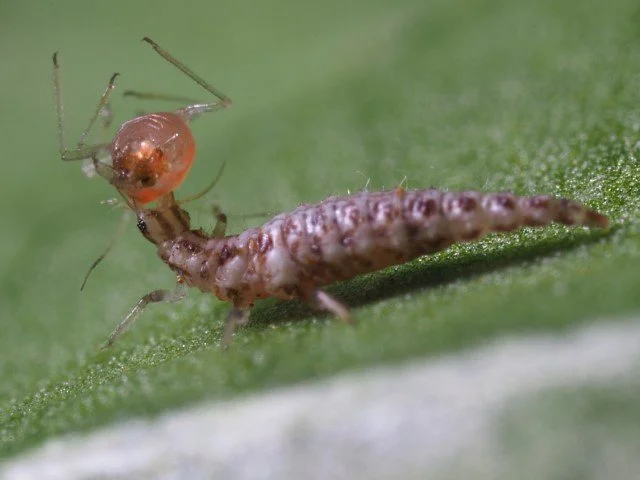
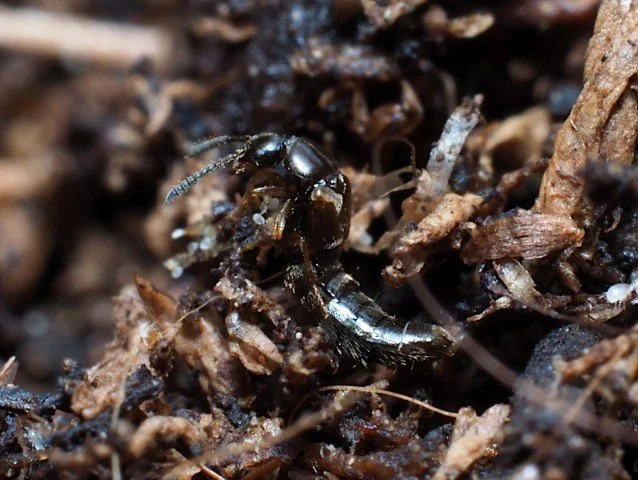
Dalotia coriaria rove beetle adult

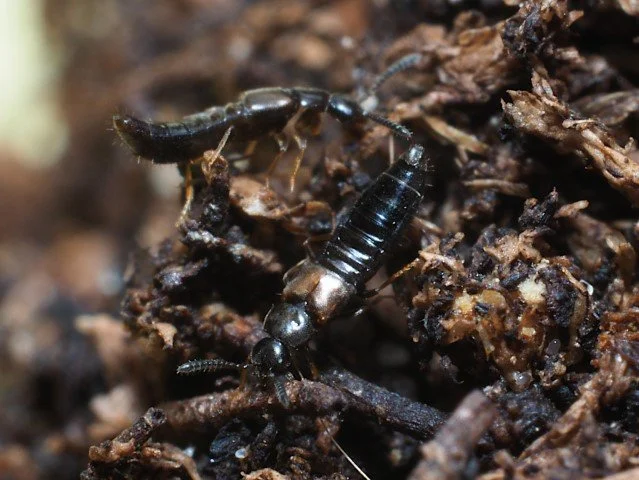
Dalotia coriaria are tiny rove beetles that live in the top layer of soil. Both the adults and the young beetles eat problem pests like shore fly and fungus gnat larvae, and they will also go after thrips as they pupate in the soil. They stay active in cooler temperatures, around fifty degrees, and can survive even colder. The adults can fly and usually come out at night. You will often find them hiding under pots or trays. For best results, add them to the soil around young plants as early as you can.

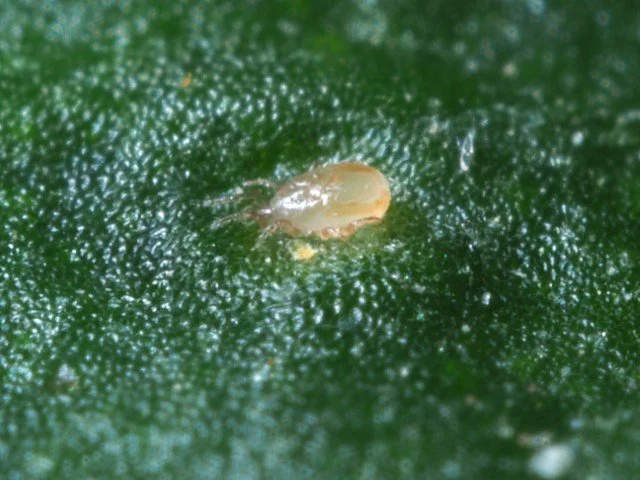
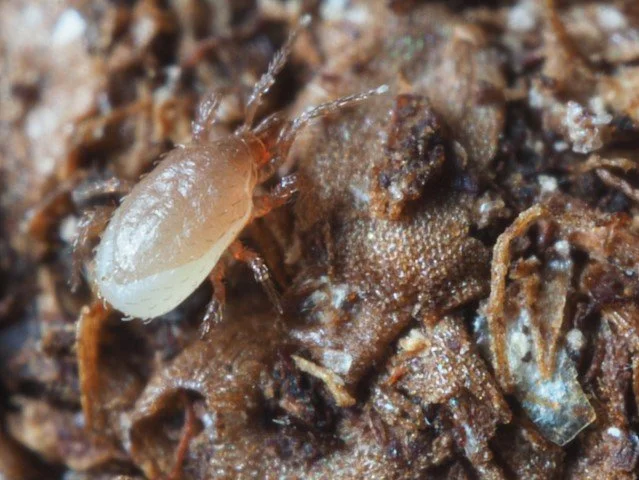
Stratiolaelaps scimitus

Stratiolaelaps scimitus are tiny predatory mites that spend their time in the top layer of soil, quietly doing some very helpful work. They feed on fungus gnat larvae and thrips as they pupate in the soil, which makes them especially useful in seedling trays, young plantings, and anywhere moisture tends to stay a little longer. These mites are at their best when they are added early, before pests really get moving. Once they settle into the soil, they begin hunting right away and help keep things in balance while your plants grow stronger.
Beneficial insects may be tiny, but the support they bring to our crops can make a real difference. When we understand how they work and give them the conditions they need, the whole process of managing pests becomes much less overwhelming.

If you would like to explore this topic further, I hope you will listen to my conversation with Erik. He shares practical, down-to-earth insights that any grower can put to use. And if you are looking for more information, the Beneficial Insectary website is a wonderful resource. It is full of easy-to-understand guides, helpful explanations, and a section where you can order beneficial insects directly for your farm. It is a great place to continue learning and find exactly what you need for the season ahead.

Images and Information provided by Beneficial Insectary

Beneficial Insectary
Source: https://www.theflowerpodcast.com/guestsoft...

Using Data to Drive Your Flower Farming Success: Insights from Adrianne Gammie of Marilla Field & Flora and Amelia Ihlo of Rooted Farmers

Hey, flower farmers! It’s Scott here, and I’m excited to share some key takeaways from the latest episode of The Flower Podcast with Adrianne Gammie and Amelia Ihlo. Adrianne shares her experience evaluating her own flower crops while Amelia brings insights from the data collected through Rooted Farmers, offering a broader industry perspective. We covered so much ground in this conversation, especially when it comes to understanding the data behind your flower business and using it to guide your growing decisions.

Whether you're new to flower farming or you're a seasoned pro, the insights they shared are invaluable. I’ve gone ahead and pulled out some of the most important points I think we can all benefit from. Let’s dive in! Check out our entire conversation below or listen on your favorite podcast platform. Also, Use the code TFP25 at Rooted Farmers and receive $75.00 off any individual plan (Essential or Pro) and take advantage of amazing tools to better connect with your clients and grow your business!


All images courtesy of Marilla Field & Flora


Know Your Market: Let Your Customers Lead the Way

One of the things Adrianne and Amelia emphasized that really struck me is how crucial it is to understand who your customers are. It’s easy to get lost in the excitement of trying out new varieties or chasing trends, but your customers should really be the ones guiding your decisions on what to grow.

As Adrianne put it, Your customer will guide you in choosing what to grow.” This really hit home for me. We all want to grow beautiful, unique flowers, but we have to remember that what we grow should be shaped by the needs and preferences of the people who buy from us. Take the time to ask them what they want—whether it’s a specific color, flower variety, or a different growing practice.

The Power of Data: Trust Your Numbers, Not Your Memory

One of the most important points Adrianne and Amelia made was about how much data we need to collect and analyze. “You get out of it what you put into it,” they said. If you’re not tracking things like sales, flower varieties, and colors, then you’re really missing an opportunity to make informed decisions. I know it’s tempting to rely on memory or gut feeling, but numbers don’t lie. Take the time to dive into your sales data, understand what’s selling well, and make adjustments based on the hard facts. It’s not about guessing or remembering what worked last year—it’s about looking at what’s actually happening right now.

Color Trends: Cyclical, Yet Timeless Favorites

When it comes to color, trends do shift, but some shades will always have staying power. White, for example, remains a favorite year after year, particularly for weddings and other events where its timeless elegance shines. While some colors may be cyclical, certain shades will always dominate due to customer preferences. As they pointed out, white, green, and pink are the top three most popular colors that consistently sell well.

In addition, new colors emerge as trends, with apricot, cream, and coral becoming increasingly popular. Last year’s Pantone color of 2024, Peach Fuzz often influences the flower industry and undoubtedly had an impact on color trends last year. Pantone’s choices tend to resonate throughout various industries, and the floral world is no exception. It’s important to stay tuned to these trends, but also remember that your customers’ enduring favorites should always have some influence in your growing decisions.


Listening to Your Customers: The Power of Feedback

One piece of advice I can’t recommend enough is to ask your customers what they need. It’s easy to assume we know what they want, but we should be actively seeking their feedback. Surveying your customers regularly is an excellent way to stay in tune with their preferences and ensure you're meeting their needs.

And don’t just rely on online surveys—get out there and visit your customers in person. Seeing how your flowers are being used and hearing directly from the people who buy from you is incredibly valuable. It allows you to pick up on things you might have missed otherwise and helps you adjust quickly to any changes in demand.

Growth Areas to Watch: Cultivars and Perennials

Another trend pointed out was the increased interest in a wider variety of cultivars within several popular genera. Customers are looking for fresh varieties, which means there's an opportunity for flower farmers to offer something unique that stands out in the market. Perennials also saw significant growth, with several perennial varieties ranking in the top 20. Visit the Rooted Farmers Blog for a list. By incorporating perennials into your farm, you can offer seasonal flowers that customers can rely on year after year.


Don’t Forget About Low Performers

It’s just as important to pay attention to your low performers as it is to focus on the things that are doing well. Not every flower you grow is going to be a hit every year. If you have flowers that aren’t pulling their weight, it might be time to consider replacing them with newer varieties or ones that are trending higher in the market.

Space Allocation Matters

Finally, remember to keep an eye on how much space you allocate to each crop. This is something I’ve learned the hard way! The amount of space you dedicate to each flower variety can have a huge impact on your numbers. Make sure you're not over-committing space to low-performing crops, and focus on those that offer the highest potential.


Wrapping Up

Overall, Adrianne and Amelia really made me think about how we can use data to make more informed, strategic decisions on our farms. By focusing on customer feedback, tracking our numbers, and staying up-to-date with trends, we can grow smarter and more sustainably.

So, don’t be afraid to dig into the numbers, talk to your customers, and stay flexible with your growing strategy. I hope these insights help you as much as they’ve helped me!

As always, keep growing, and I look forward to hearing how these tips help you thrive in your flower-growing journey.

Happy growing,
Scott

 
Learn more about Adrianne Gammie
Learn more Amelia Ihlo and Rooted Farmers

Take advantage of an exclusive offer from Rooted Farmers! Use the code TFP25 to get $75.00 off any individual plan(Essential or Pro). Rooted Farmers offers great features like streamlined invoicing, easy inventory tracking, and more tools to grow your business efficiently. Don’t miss out on this chance to simplify your processes and focus on what matters most—growing your flower farm!


Blooming Opportunities for Flower Farmers: Tapping into the Market of Edible Flowers


Image by The Flower Podcast


Recently, I received a batch of edible flowers from a vendor, which sparked my interest in a topic I had only explored briefly before. While I’ve occasionally sourced these flowers for clients, I hadn't given them much thought beyond that. One of the flowers I received was pansies, and with the recent surge in their popularity for cut flower production, I realized this was the perfect moment to dive a little deeper.

At first glance, the flowers were striking—vivid colors, detailed petals, what you expect from flowers but what really stood out to me was their purpose: these flowers weren’t just for our garden beds and arrrangements; they were meant for more, and it became clear that there was a lot of potential in this space that I hadn't  fully explored.

The edible flower market is growing fast. In fact, according to the Edible Flowers Market Report from 2022, this industry was valued at nearly $318 million globally, and experts expect it to soar to $503 million by 2032. That’s a significant increase, and as a flower farmer, it’s hard not to see the possibilities. Edible flowers are no longer just a niche trend—they’re becoming a real part of the culinary world. And for us, as growers, that means there’s an opportunity to step into something new, something that could help diversify farms and bring in a new stream of income.

What struck me the most, though, was how they could fit into the broader world of floral design. It’s not just about wedding cakes and cocktails (although, let’s be honest, they make a stunning addition to both). The scope of edible flowers is huge, extending beyond just food and drink. There’s potential for herbal blends, beauty products, and even natural dyes, all of which are on the rise. But for now, I’m focusing on the possibilities from a flower farm’s perspective. I mean somebody has grow to them.

I also can’t ignore how some flowers that were once primarily considered ornamental are now gaining popularity in the cut flower industry. Take pansies, for instance. They’ve always been a garden favorite, but, their use in cut flower production is on the rise. Pansies are readily available, come in a wide range of colors, and offer a delicate, colorful touch. I also received marigolds, which I had never thought of as edible but rather as pest deterrents and fabulous summer flowers. It turns out the list of edible flowers is quite extensive, many we may already be growing.  As more people embrace blooms, it feels like the perfect time for flower farms to explore growing flowers not just for the traditional use in the floral industry, but as edible flowers for culinary purposes too.


For flower farms, diversifying with edible flowers can open up a lot of doors. Growers are already producing  high-quality, beautiful flowers, so it seems natural to start expanding into this new territory. With a little extra care and attention to growing conditions, we could be offering something unique to the market—flowers that serve both as stunning visuals and edible treats.

One of the big benefits here is the potential for more diverse income. Edible flowers are often sold at a higher price because they’re seen as a premium product. People are willing to pay more for flowers that not only look stunning but are also safe to eat and have a distinctive taste. If done right, this can increase the farm’s profitability without needing to expand too much.  They might even open the door to a restaurant or grocery store that wants to carry this trending product in return opening the door to take a look at your bouquets or other cut flowers.

On top of that, edible flowers are a great way to reduce waste. Not every flower will meet the standards for an arrangement, but there’s still value in those blooms beyond the vase. That means there’s less waste from the flowers that don’t make the cut for bouquets, and we can still make the most of everything we grow.

I also see a lot of potential in partnerships. Local chefs, event planners, bakers—imagine the possibilities. Beautiful cakes with pansies or violets, floral cocktails, or unique dinner party dishes. These are the kinds of collaborations that could really set a farm apart. And it’s not just about selling flowers. We could host workshops, too, teaching others how to work with edible flowers, whether it’s in the kitchen or as part of their floral designs. It’s a way to expand the farm’s role in the community and share something new with people.

But, as with any new product, it’s important to be careful. Not all flowers are safe to eat, and it’s vital that we grow them with the same care and consideration that we give our other blooms. Sourcing flowers responsibly and ensuring they’re grown organically without harmful chemicals is crucial for maintaining customer trust. These blooms aren’t just for decoration; they’re being consumed, so we need to be sure they’re safe along with following the guidelines in your area.


In the end, the potential for flower farms to expand into edible flowers is vast. It's an opportunity not just to grow new varieties, but to cultivate something that brings added value to the customer and to the farm. As the demand for edible flowers continues to grow, I believe it’s an exciting and rewarding path for flower farmers who want to explore something fresh and unique. By offering these blooms, we’re not just adding another product to our inventory; we’re offering our customers an experience—one that connects beauty with flavor, and creativity with sustainability.

After receiving that batch of edible flowers, I’m more inspired than ever to explore this niche and see how it could fit into great possibilities in our industry.


Edible Flowers


Nasturtiums'
Marigolds (Calendula)
Dandelions
Tulips
Bee Balm (Monarda)
Jasmine
Chrysanthemums (Edible Varieties)
Snapdragon
Tulips
Red Clover
Scented Geraniums
Mint Blossoms
Sweet Violet
Sage Blossoms
Red or Pink Begonias
Lavender

Pansies
Violas
Lavender
Fuchsia
Daylilies
Rose
Clover
Lemon Balm
Elderflowers
Apple Blossom
Evening Primrose
Borage
Anise Hyssop
Sunflower Petals
Cornflower (Bachelor's Button)
Peony

Note: This is an example list of edible flowers. Many herbs, like basil, rosemary, thyme, and oregano, also produce edible flowers that are beautiful and flavorful. Always ensure to research and confirm that the specific variety of herb or flower is safe for consumption before using.